Engineering
 Production automation
 Testing
 Virtual accident experience
 Innovation
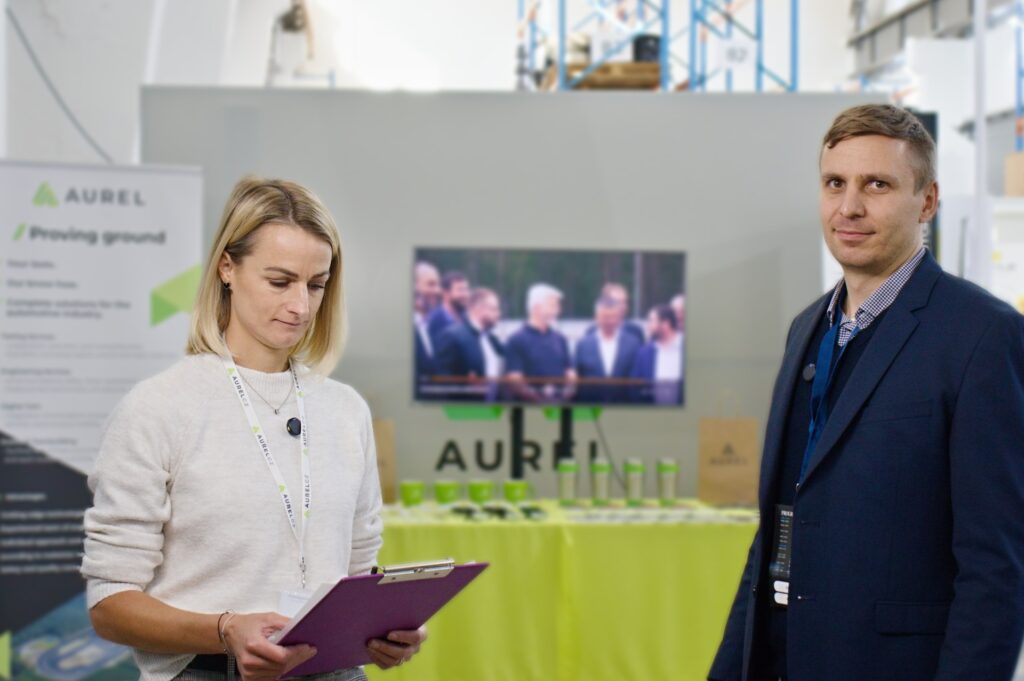
What does Czech-German cooperation in the automotive industry look like in practice? What really determines the selection of a development partner – and why are size and cost no longer enough? In the second part of our interview with Robert Stoff-Riegel, Business Development Manager at AUREL, we focus more closely on practical experience from the field. Among other topics, he explains why speed, flexibility and system complexity have become the key factors driving success today.
Robert, following on from the first part of our interview, we would now like to focus more on practical experience. Why should German companies choose AUREL specialists as their development partner rather than large global engineering firms?
At AUREL, we are able to combine three essential factors: strong technical expertise, a high degree of flexibility and close customer proximity. Unlike large global engineering companies, we can respond more quickly, adapt more easily to the specific needs of each project and deliver tailored solutions rather than standardised approaches.
Another significant advantage is the close collaboration between our teams focused on the German market and our Czech engineering specialists. This strong connection enables us to ensure seamless communication, high-quality delivery and cost-efficient solutions, all while fully meeting our clients’ expectations.
In addition, we place great emphasis on a practical and personal approach built on genuine partnership. We give each client individual attention and provide direct access to experienced engineers as well as key decision-makers. This makes collaboration more agile, transparent and effective – something our clients particularly appreciate in today’s complex and rapidly evolving environment.
At AUREL, you combine broad technical expertise with fast decision-making, without lengthy approval processes. How important is this capability for German partners in practice?
It is extremely important for German partners, especially in today’s rapidly changing environment. Projects are becoming increasingly complex and deadlines ever tighter, which means that the ability to make fast, well-informed decisions has become a genuine competitive advantage.
German companies are accustomed to structured processes, but in practice they highly value partners who can act pragmatically and respond quickly when requirements change or unexpected issues arise. Short decision-making paths help reduce delays, increase efficiency and keep projects on track. In this context, AUREL’s combination of strong technical expertise and fast decision-making is a major advantage, enabling a more agile and solution-oriented approach to collaboration.
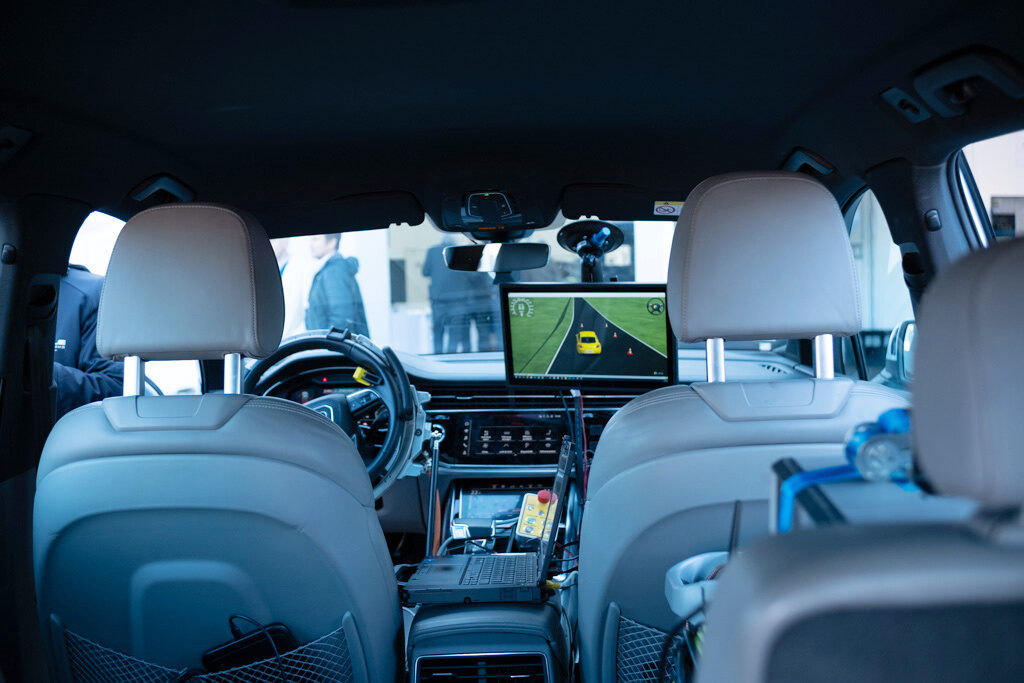
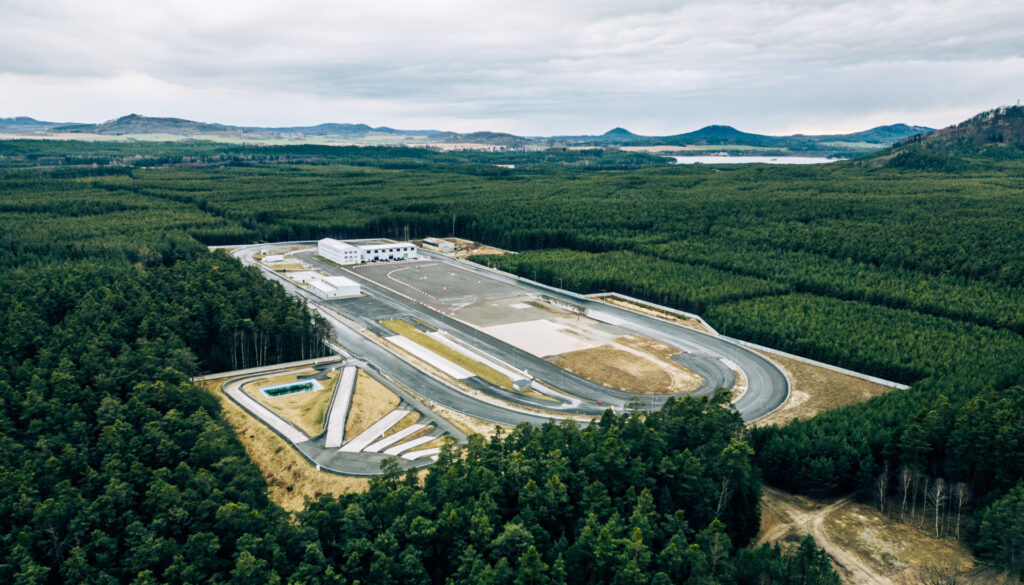
AUREL’s Proving Ground is located close to the German border. How do clients value this proximity in combination with the facility’s technical capabilities?
German clients highly appreciate the proximity of the AUREL Proving Ground, as it allows them to combine technical development with immediate on-site validation. They can personally attend testing activities and respond to results without delay, significantly accelerating the entire development cycle.
Automotive manufacturers view our advanced technical facilities and testing capabilities as a major advantage, as they enable validation under real-world conditions without the need to rely on remote or fragmented testing locations. This combination of accessibility and technical depth strengthens confidence in the results while increasing the overall efficiency of collaboration. Clients often see this cooperation as a natural extension of their own development environment.
What advantages does the AUREL Proving Ground offer compared with large testing facilities in Germany and elsewhere in Western Europe?
Compared with these large testing facilities, the AUREL Proving Ground offers significantly greater flexibility and a genuinely customer-focused approach. One of its key advantages is speed – clients gain access to testing capacities much more quickly, with shorter planning and approval cycles, which can often be a challenge at large and heavily utilised facilities. Another major strength is the combination of accessibility and direct technical support. Clients do not simply book testing time; they work closely with engineers who can adapt testing conditions as needed and support iterative development in real time.
At the same time, the environment is far less constrained by rigid processes than many large institutional testing centres. This allows test scenarios to be tailored more precisely to specific requirements and delivered in a more cost-effective manner. This agility is particularly valuable during development phases, where the ability to respond quickly often provides greater value than large-scale standardised testing.
The German market is known for its emphasis on precision and long-term stability. How does AUREL meet these standards, and how do you build long-term loyalty among German clients?
AUREL meets these expectations – primarily through high-quality engineering, structured processes and consistently reliable results. We work according to clearly defined standards in project management, documentation and quality control, ensuring that our deliverables are dependable, predictable and aligned with the high expectations of our customers.
We build long-term loyalty through trust and continuity. This is achieved by maintaining stable teams, providing direct access to experienced specialists and ensuring transparent communication at all times. German clients appreciate that we not only deliver projects successfully, but also develop a deep understanding of their systems, processes and expectations. With each new project, this familiarity further increases the efficiency and effectiveness of our collaboration.
AUREL has more than 20 years of experience in the automotive sector. Can your testing and development methodology also be applied in other high-tech industries?
Yes, this approach is highly transferable to other industries. It is based on structured simulation, systematic validation and iterative engineering – principles that are universal in the development of complex products. Methods proven in the automotive industry can be applied effectively in many other sectors, not least because automotive operates under exceptionally strict standards and demanding quality requirements. It is precisely this level of rigour that makes these methodologies readily transferable to other industries. It is a scalable engineering approach that delivers value wherever system complexity, safety and thorough validation play a critical role.
Can you give an example of a specific industry?
A natural extension of our activities is the aerospace sector, particularly simulation-driven development and testing. The aerospace industry shares many characteristics with automotive, including high demands for safety, precision and validation, while placing an even greater emphasis on regulatory compliance and reliability. Thanks to the expertise of our specialists in areas such as system simulation, durability testing and virtual validation, we can help aerospace companies shorten development cycles and increase confidence in their products long before physical testing begins.
At the same time, our competencies are applicable across a range of other industries where the integration of simulation expertise with real-world testing is becoming increasingly important. A good example is the rail sector, where the reliable validation of complex systems in demanding and highly controlled environments is essential.
Where would you like to see Czech-German engineering cooperation in five years’ time? What progress in this “technical diplomacy” do you consider most important?
I would like to see Czech-German engineering cooperation evolve from a nearshoring model into a fully integrated partnership, where both sides contribute equally to complex research and development programmes.
I see “technical diplomacy” as the ability to create an environment built on trust, transparency and technical excellence, where projects are allocated according to expertise rather than primarily on the basis of geography or cost. In this context, the Czech Republic should be regarded as a natural extension of German engineering teams, particularly in the fields of simulation, software development and systems engineering.
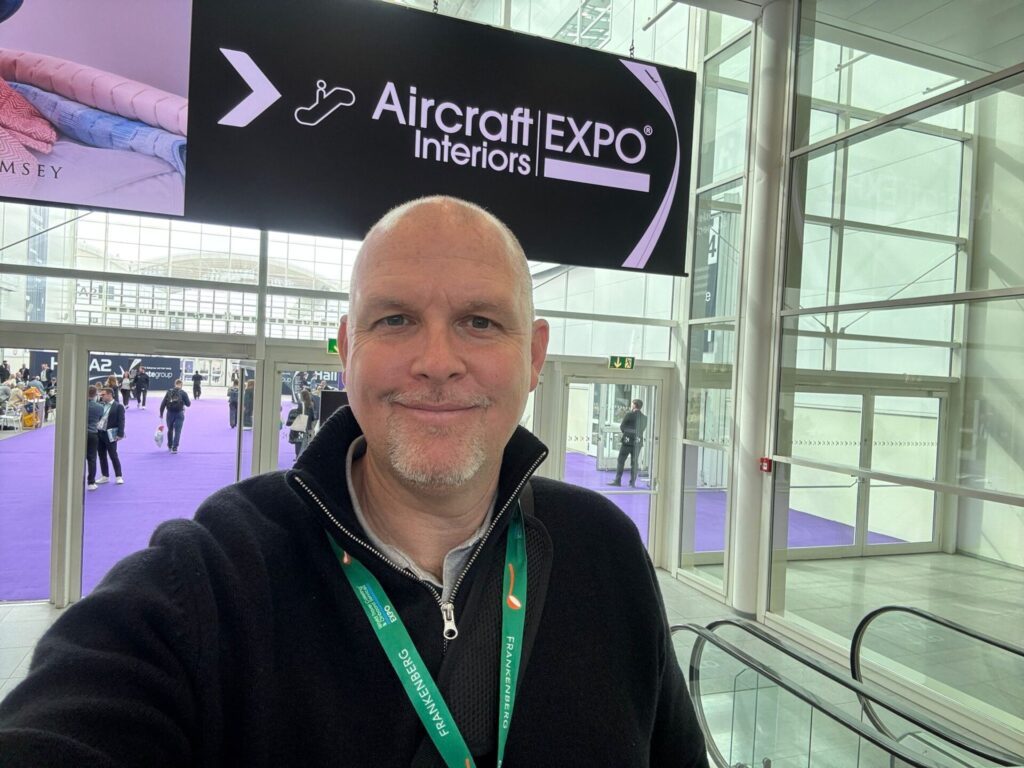
How can this be achieved?
The key to this shift lies in involving Czech teams more deeply in the early stages of development, rather than only during the implementation phase. It also requires a greater level of shared responsibility for outcomes. This includes more direct collaboration between engineers, fewer hierarchical barriers and faster decision-making across borders. I would consider it a real success when cross-border cooperation is no longer viewed as outsourcing, but rather as a strategic advantage for both European innovation ecosystems.
Would you like to find out how Czech-German cooperation could benefit your project? Explore AUREL’s solutions, or get in touch with us directly – we will be happy to discuss the possibilities with you, from the initial concept through to final validation.